

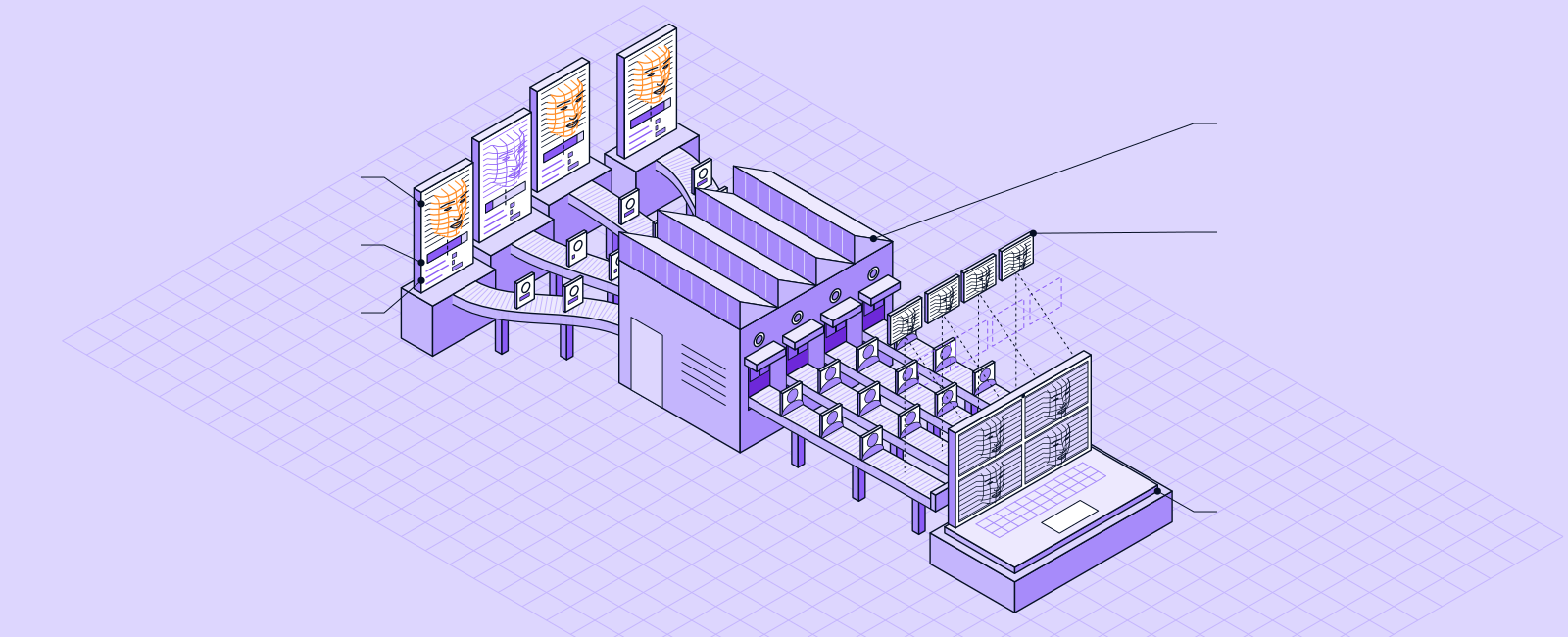

A Tavus avatar can join your call. It still has to pass for a living face.
Tavus builds AI video agents, which it calls PALs, that see, hear, talk, and join video calls as participants. Moveris reads one second of standard webcam video and decides whether a living face was in front of the camera.
What Tavus makes
Tavus makes AI video agents for products and workflows. Its Conversational Video Interface handles speech, perception, rendering, and the conversation in one API. A customer trains a face from a short video of a real person, and Tavus says training takes about two minutes.
Tavus says its agents join Google Meet, Zoom, and Microsoft Teams calls as full participants, on camera, seeing and hearing the room. They can present slides and share a screen.
How close a Tavus avatar comes to a person
In October 2026, Tavus introduced Griffin, a model that sees, hears, speaks, and moves at the same time. In Tavus's own study, nearly half of the people on a one-minute video call with Griffin believed they had talked to a real person.
Where an avatar on a call matters
Job interviews
An avatar sits a remote interview for a role with access to code, data, or payments.
Help desk and account recovery calls
An avatar wearing an employee's face asks for a reset.
Calls that move money or access
An avatar that looks like the CFO approves a wire or a payroll change.
Tavus asks its customers to hold the rights to every face they upload. Someone working from a stolen video does not ask.
What an avatar has to copy
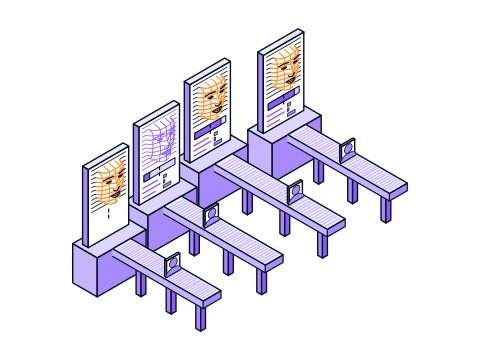
A brain and a body run a living face, so its blood flow, muscle movement, and emotion work together. We call that cognitive coherence. An avatar model draws every frame, and no brain or body runs that face. A deepfake can copy any one signal, but not how they all work together.
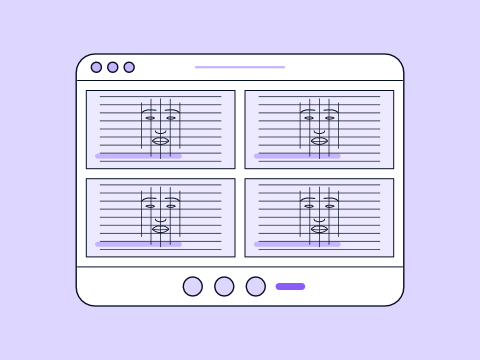
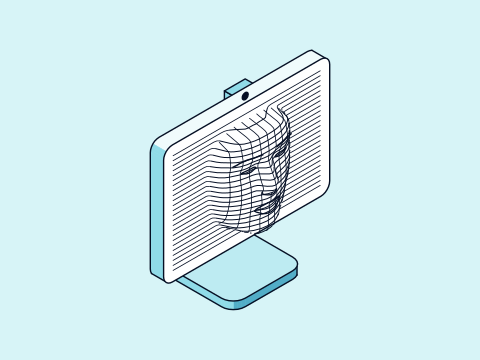
Moveris reads one second of video. It reads each of a hundred regions of the face four ways: facial muscle movement, blood flow, estimated depth, and neighbor contrast. Muscle movement goes down to the microexpressions that carry emotion. Moveris checks how all of those signs work together.

What your team gets back
MoverisMeeting decides whether a living face was in front of each camera on the call. It adds a human-likelihood score from 0 to 100 for each participant, with a breakdown of what affected it.
Built on our own data
Moveris is trained and tested on AI-generated video, along with face swaps, lip-sync, and injection attacks through a virtual camera. We generate, collect, and curate 90% of this data in-house, so it matches what happens in the real world.
Questions
Still have a question? Book a demo and ask us.
What is Tavus?
Tavus is a company that builds AI video agents. It calls them PALs: agents with a face that see, hear, and talk, in apps and on video calls.
Can a Tavus avatar join a Zoom call?
Yes. Tavus says its agents join Google Meet, Zoom, and Microsoft Teams calls as participants, on camera. They can be invited with a calendar invite.
Can people tell a Tavus avatar from a person?
Not reliably. In Tavus's own study, nearly half of the people on a one-minute video call with its Griffin model took it for a person.
How do you check whether someone on a call is a living person?
Have software read the video. A MoverisMeeting bot joins Zoom, Microsoft Teams, and Google Meet calls, reads each participant's video separately, and posts one decision for each to your webhook.
Does Moveris need to know which tool made the avatar?
No. Moveris checks for a living face, not for the marks of one tool. Whatever the next avatar tool is, it still has to copy a living face's cognitive coherence.
Does Moveris tell me whose face it is?
No. Moveris checks for a living face, and your ID check confirms who it is. Together, they put a real person behind each account.
Put a living face behind the next yes.
Tell us where you need a living-face decision. We will show you Moveris on your own flow.
Tavus is a trademark of Tavus Inc. We name it only to describe its products, and Moveris is not affiliated with Tavus Inc.
