


You can copy a face. But not a brain.
Before an account opens or money moves, Moveris checks for a living human on the webcam. In one second, it reads cognitive coherence: how blood flow, muscle movement, and emotion work together, the one thing a deepfake cannot copy.
One check. In your app, on a call, or on file.
MoverisLive checks for a living face on the webcam at onboarding, at step-up, and for agent authorization over MCP. MoverisMeeting checks each participant on a Zoom, Teams, or Google Meet call. MoverisMedia checks the video files people send you. The Moveris API sits under all three.
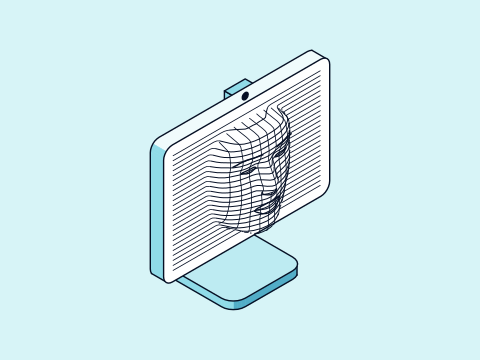
MoverisLive
Checks for a living face on the webcam at onboarding, at step-up, and when an AI agent asks to act over MCP.
See MoverisLive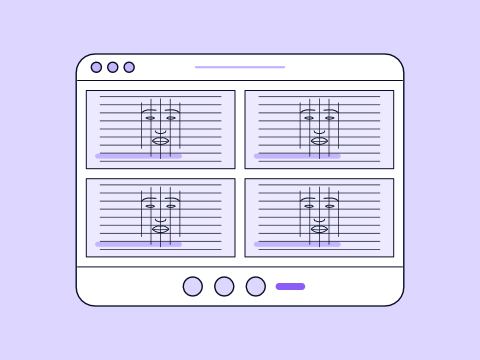
MoverisMeeting
Checks each participant on Zoom, Microsoft Teams, and Google Meet calls, and returns one decision for each.
See MoverisMeeting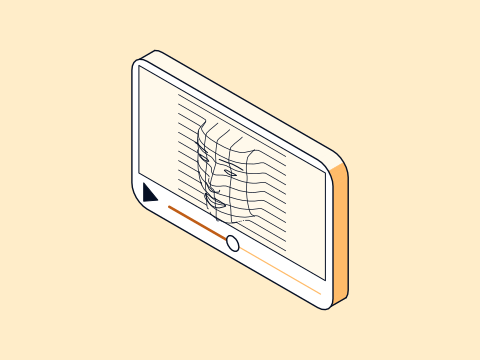
MoverisMedia
Checks the face in the video files people send you, and returns one decision per check.
See MoverisMediaOne second in. One decision out.
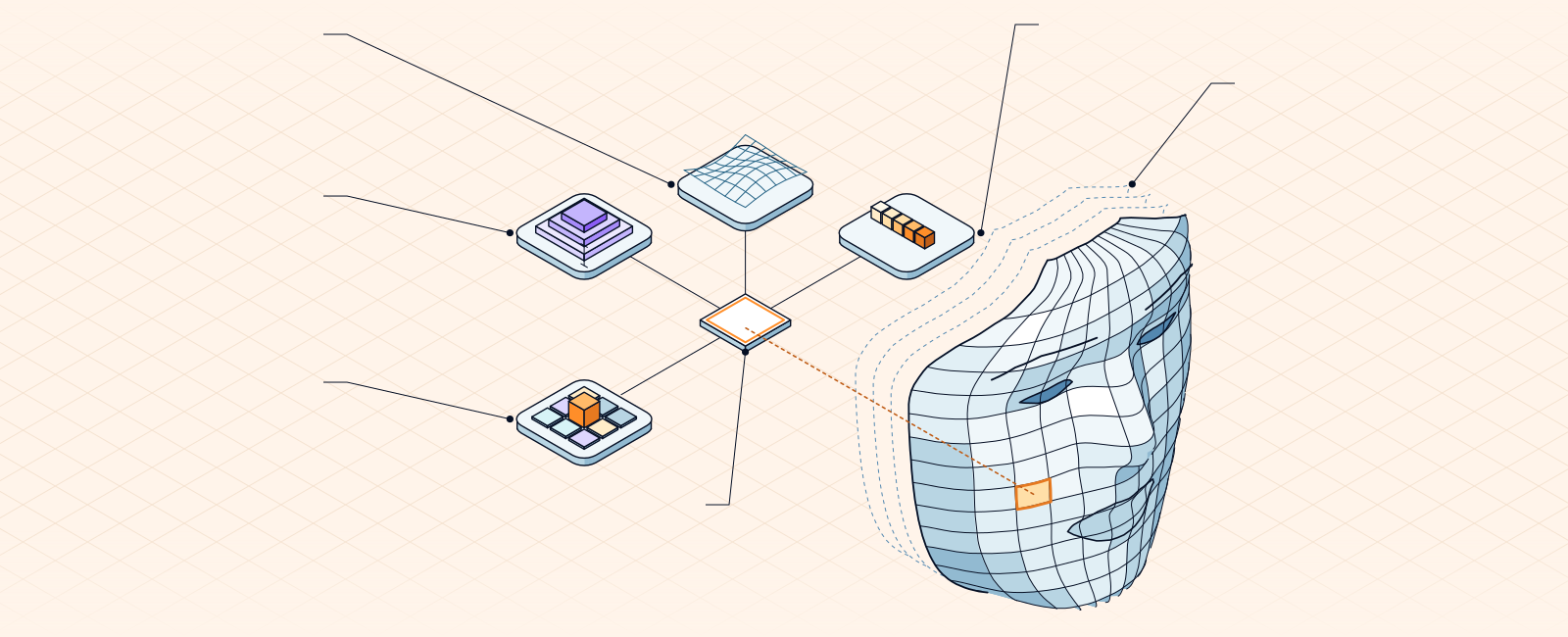
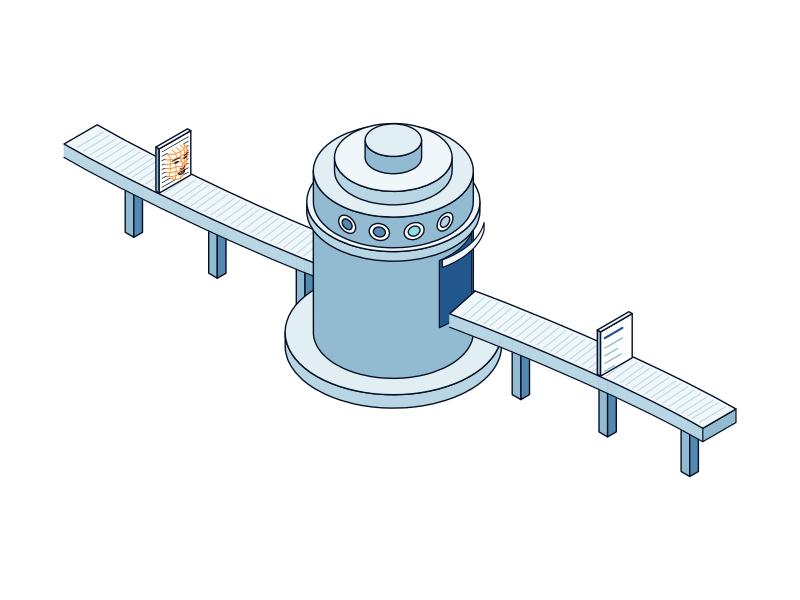
MoverisLive, MoverisMeeting, and MoverisMedia all send their checks through the Moveris API. Here is what happens to each second of video it receives.
- The Moveris APIIn from all three products, out as three answers
One request. One decision.
The Moveris API sits under MoverisLive, MoverisMeeting, and MoverisMedia. Whichever you use, each check gets a decision and a human-likelihood score from 0 to 100.
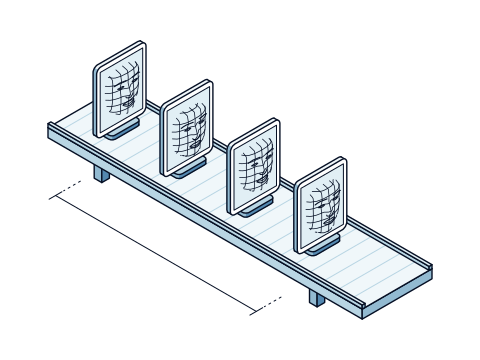
- One secondStandard webcam video
Moveris reads one second of standard webcam video. Your customer looks at the camera, and the read is done.
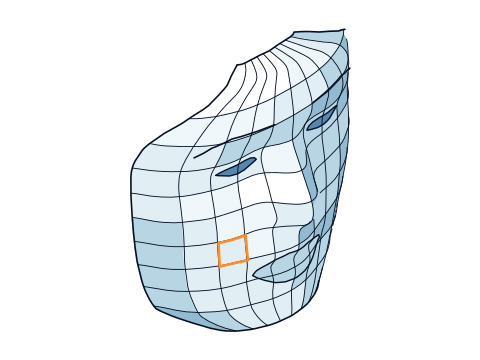
- A hundred regionsRead four ways
Moveris reads each of a hundred regions of the face four ways: facial muscle movement, blood flow, estimated depth, and how the region compares with its neighbors. Muscle movement goes down to the microexpressions that carry emotion.
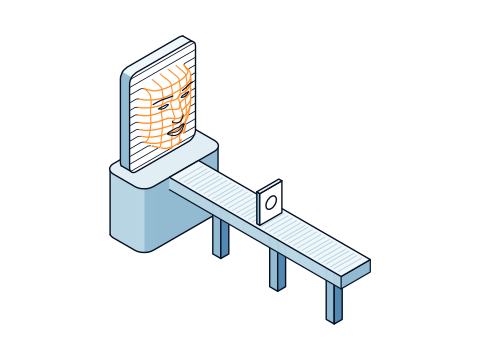
- One decisionReal or fake
Moveris checks how these signs work together, their cognitive coherence, and returns one decision for each check: living face, or not. It adds a human-likelihood score from 0 to 100 and a breakdown of what affected the score.
One request. One decision.
The Moveris API sits under MoverisLive, MoverisMeeting, and MoverisMedia. Whichever you use, each check gets a decision and a human-likelihood score from 0 to 100.
Moveris reads one second of standard webcam video. Your customer looks at the camera, and the read is done.
Moveris reads each of a hundred regions of the face four ways: facial muscle movement, blood flow, estimated depth, and how the region compares with its neighbors. Muscle movement goes down to the microexpressions that carry emotion.
Moveris checks how these signs work together, their cognitive coherence, and returns one decision for each check: living face, or not. It adds a human-likelihood score from 0 to 100 and a breakdown of what affected the score.
Fakes change every few days. Living faces do not.
Deepfake tools get a new version every few days. A living face has worked the same way for tens of thousands of years. A brain and a body run it, so its blood flow, muscle movement, and emotion work together. We call that cognitive coherence. A deepfake can copy any one signal, but not how they all work together. Moveris reads that coherence instead of chasing each new fake.
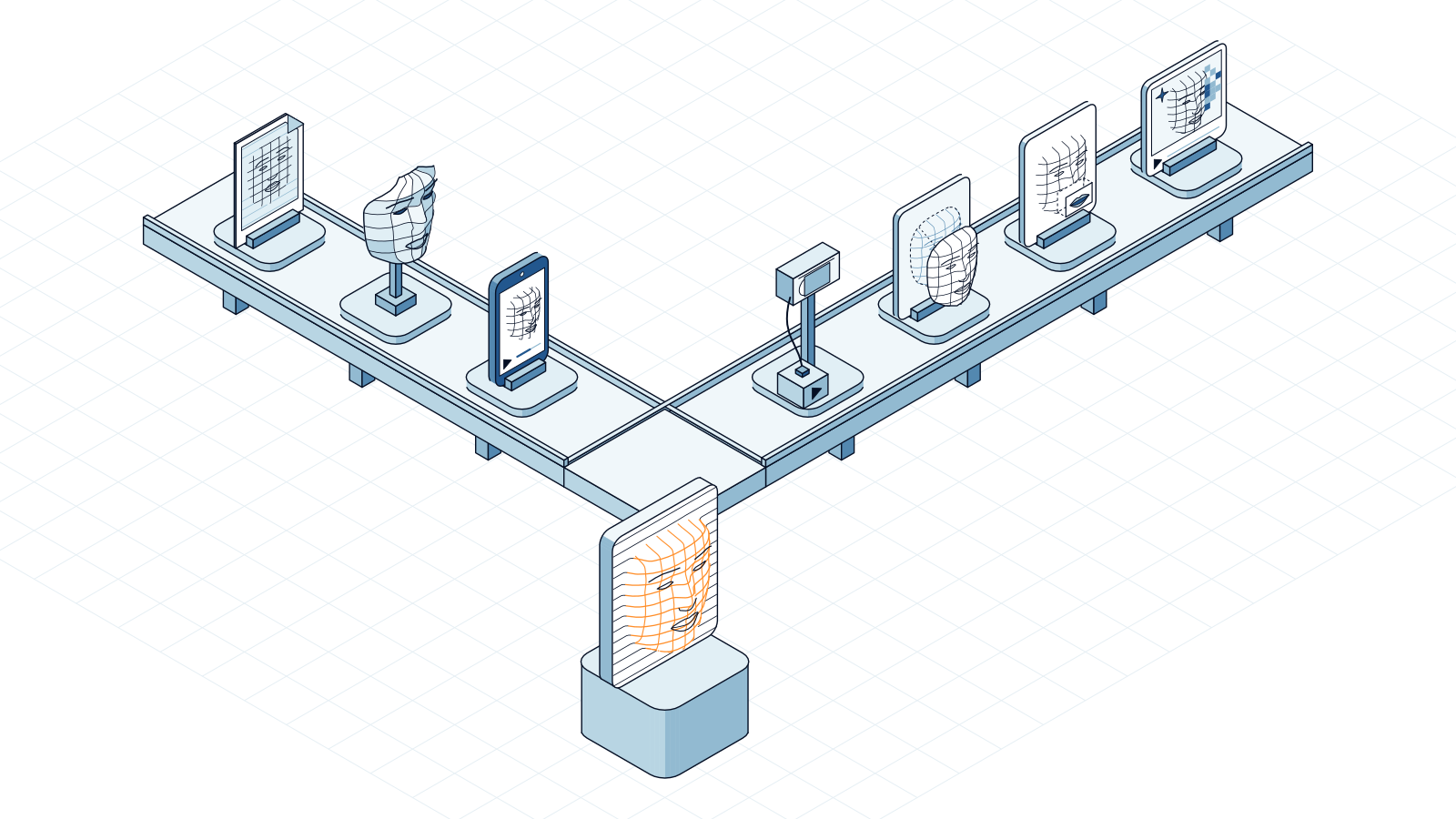
Held up to a real camera.
A presentation attack puts a fake in front of a real camera. The camera works as it should, but what it sees is not a living person.
 Printed photoA photo of someone else, held to the lens.
 MaskA face cut from paper or molded from silicone, worn or held up.
 Screen replayA phone or tablet playing a recording of someone's face.
Fed in where the camera should be.
An injection attack skips the camera. Software feeds the check a video stream that passes for a webcam, so the fake never sits in front of a lens.
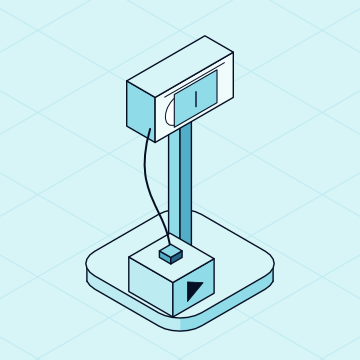 Virtual cameraSoftware that poses as a webcam and streams any video.
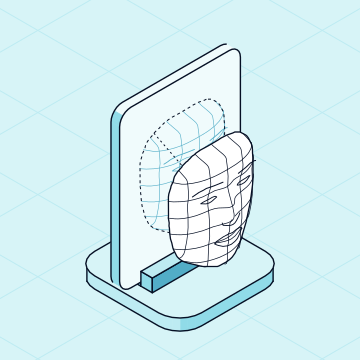 Face swapAnother person's face laid over real video.
 Lip-syncReal footage with the mouth redrawn to say new words.
 AI-generated videoA face, and a person, that never existed.
Attackers move to whichever route gets through, so Moveris is trained and tested on both. Whatever the next tool is, it still has to copy a living face's cognitive coherence.
Questions
Common questions about Moveris.
Still have a question? Book a demo and ask us.
What does Moveris decide?
Whether a living face was in front of the camera. Moveris reads one second of standard webcam video and returns one decision for each check, with a human-likelihood score from 0 to 100.
What is cognitive coherence?
It is how the signals of a living face work together. One brain and one body drive blood flow, muscle movement, and emotion, so they move as one. A deepfake can copy any one signal, but not how they all work together. Even high-quality face swaps fall out of sync.
Does Moveris tell me who the person is?
No. Moveris checks for a living face, and your ID check confirms who it is. Together, they put a real person behind each account.
Does Moveris explain its scores?
Yes. Every score comes with a breakdown of what affected it. Moveris runs pathway tests that switch off one part of the model at a time and show how far the score moves. Your fraud and review teams see what affected each score, not just the decision.
Is Moveris GDPR and CCPA compliant?
Yes. Moveris complies with the GDPR and the CCPA, and it is certified to ISO 27001 for information security.
How long does Moveris keep video?
You choose. Your organization sets how many days Moveris keeps the frames from each check, and zero keeps none. New organizations start at 30 days.
How do I add Moveris to my product?
Use the Moveris SDK for React on the web or React Native on mobile, or start a MoverisMeeting session through the MoverisMeeting API. Book a demo, and our team will walk you through it.
Put a living face behind the next yes.
Tell us where you need a living-face decision. We will show you Moveris on your own flow.
