

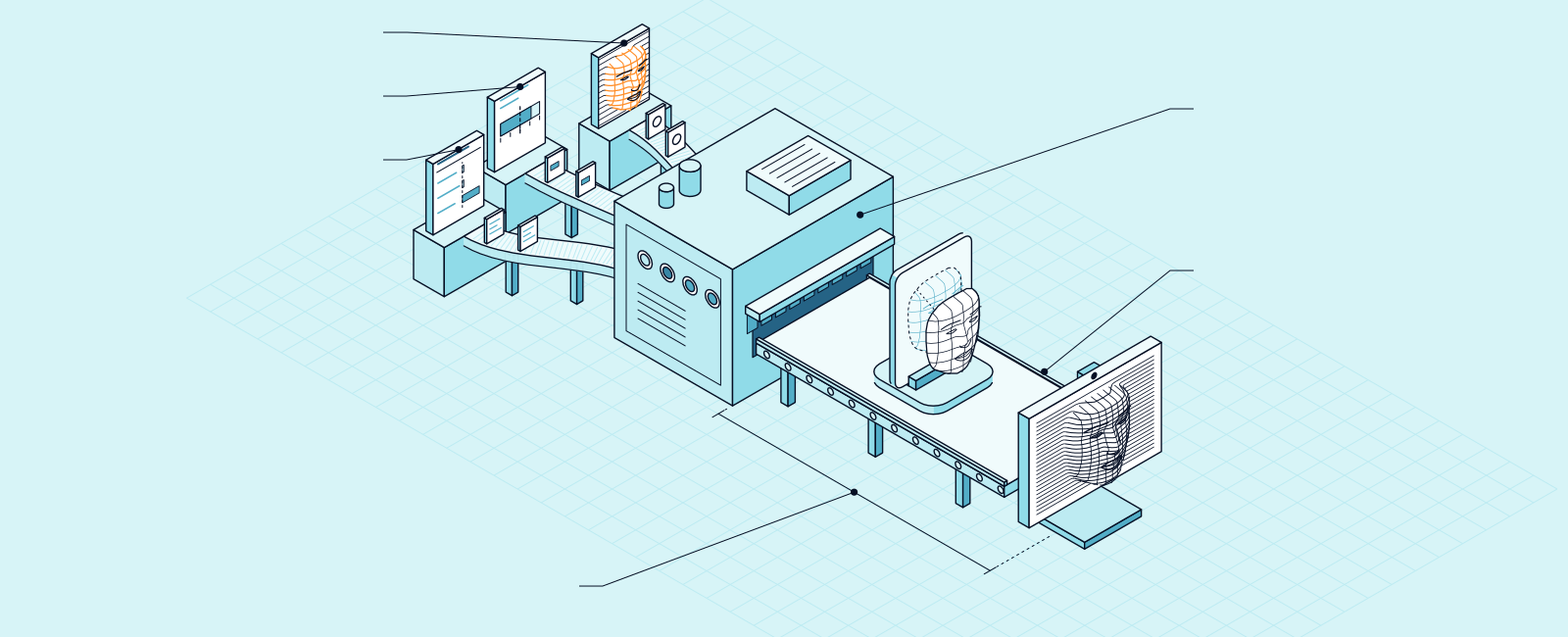
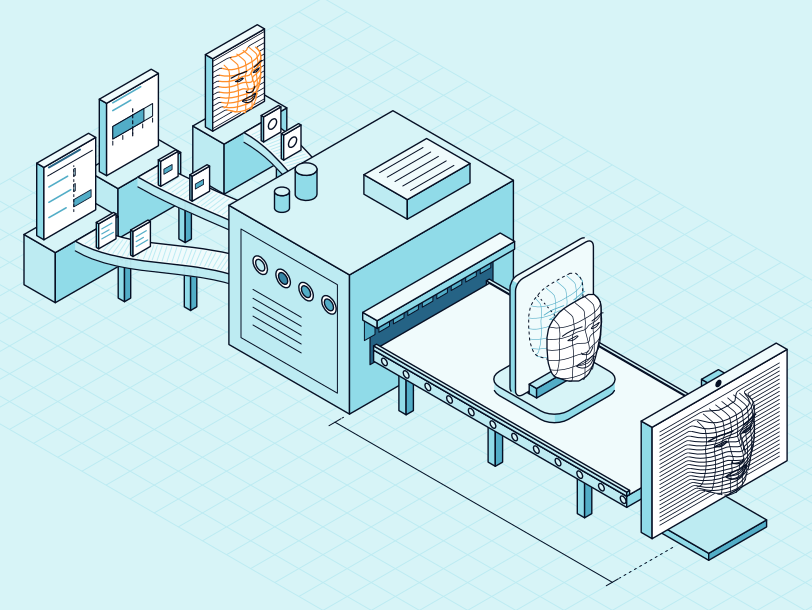
A face swap can look like a person. It still has to work like one.
Moveris reads one second of standard webcam video and decides whether a living face was in front of the camera. It is trained and tested on face swaps. Use it at onboarding, on video calls, and on the video files people send you.
What is a face swap?
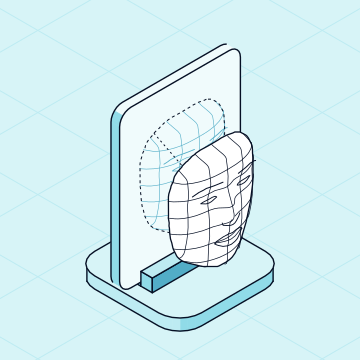
A face swap is a deepfake that lays another person's face over real video. Software redraws the face frame by frame, while a real person underneath supplies the movement and the voice. The tools now run on an ordinary laptop, so a swap can happen during the call itself.
Where face swaps show up
At the selfie step
Someone opens an account under another person's face, fed into the check as if it came from a webcam.
On a video call
A stand-in joins a job interview, a help desk call, or a payment approval wearing someone else's face.
In a recorded file
A video sent with a claim or an application shows a face that was swapped before anyone pressed send.
A face swap fed in through a virtual camera is an injection attack. Played on a phone held up to a webcam, it is a screen replay. Moveris is trained and tested on both.
Why a face swap is hard to spot
A swap is built on a real person. It blinks when that person blinks and turns when that person turns, so it can do what a selfie screen asks. The face looks right to a reviewer, and deepfake tools get a new version every few days.
What a face swap has to copy
A brain and a body run a living face, so its blood flow, muscle movement, and emotion work together. We call that cognitive coherence. A deepfake can copy any one signal, but not how they all work together. Even high-quality face swaps fall out of sync.
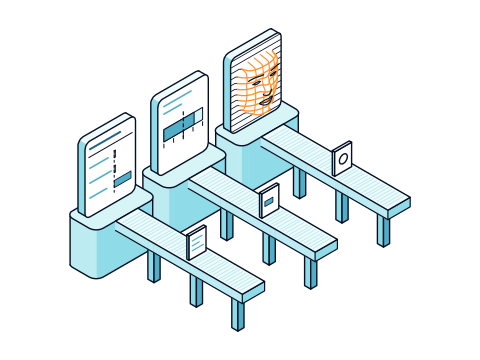
Moveris reads one second of video. It reads each of a hundred regions of the face four ways: facial muscle movement, blood flow, estimated depth, and neighbor contrast. Muscle movement goes down to the microexpressions that carry emotion. Moveris checks how all of those signs work together.

What your team gets back
Each check returns a decision, living face or not, and a human-likelihood score from 0 to 100. A breakdown shows what affected each score, so your fraud and review teams see more than the decision.
Built on our own data
Moveris is trained and tested on face swaps, lip-sync, and AI-generated video. We generate, collect, and curate 90% of this data in-house, so it matches what happens in the real world.
Where to use it
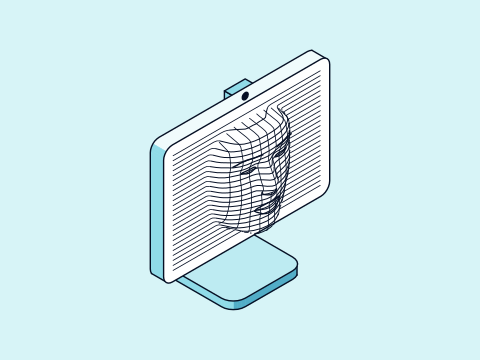
MoverisLive
Checks for a living face on the webcam at onboarding, at step-up, and when an AI agent asks to act over MCP.
See MoverisLive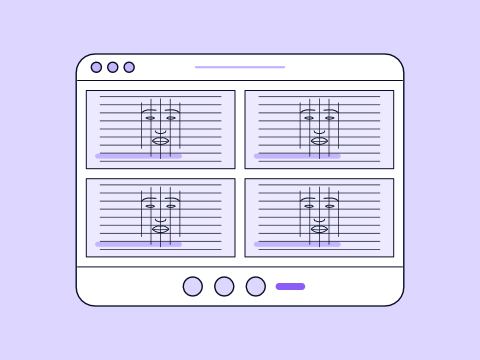
MoverisMeeting
Checks each participant on Zoom, Microsoft Teams, and Google Meet calls, and returns one decision for each.
See MoverisMeeting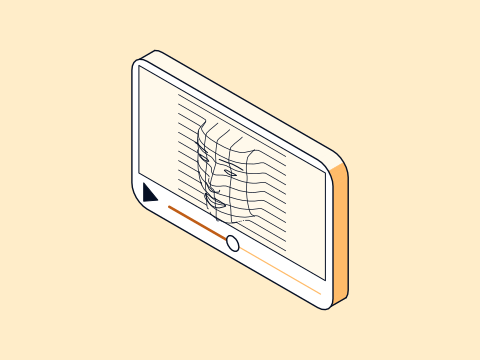
MoverisMedia
Checks the face in the video files people send you, and returns one decision per check.
See MoverisMediaQuestions
Still have a question? Book a demo and ask us.
Can a face swap pass a liveness check?
It can pass a check that only looks for a face that moves, because a real person is moving underneath it. Moveris checks how the signals of a living face work together, which we call cognitive coherence.
How do you detect a face swap on a video call?
Have software read the video, because a good swap looks right to the people on the call. A Moveris bot joins Zoom, Microsoft Teams, and Google Meet calls and checks each participant for a living face.
Is a face swap a deepfake?
Yes. A face swap is one kind of deepfake. Others include lip-sync, where real footage gets a redrawn mouth, and AI-generated video, where the person never existed.
Is a face swap an injection attack?
Usually, yes. The usual route is software that feeds the swap through a virtual camera. A swap played on a phone held up to a real camera is a screen replay, which is a presentation attack.
How much video does Moveris need?
One second of standard webcam video. No special hardware.
Does Moveris tell me whose face it is?
No. Moveris checks for a living face, and your ID check confirms who it is. Together, they put a real person behind each account.
Put a living face behind the next yes.
Tell us where you need a living-face decision. We will show you Moveris on your own flow.
